RoadPeace has long called for the police to seek feedback from bereaved families and injured victims on their experiences ‘after the crash’. We often hear examples of Family Liaison Officers (FLOs) making a huge difference to grieving families by offering lifts to court (and so removing the worry of how to get there or find parking), or being sure to follow-up on all conversations with some summary bullet points (so those grieving and traumatised aren’t trying to remember all that has been said). Likewise, we also hear examples of where things have gone wrong – perhaps a police officer has used clumsy wording, communication has been lacking, or the complexities of an investigation has not been explained.
Those who have had an excellent experience with the police will sometimes write a letter of commendation, and those who have had a terrible experience may (but not always) find the strength to complain. But in between those two extremes, there is so much learning that is missed, and that needs to be documented and used to help shape best practice.
Understandably, there has been some push back on this. Simply sending a survey to those who have been through a highly distressing experience can seem callous, and would raise so many questions, such as when should such a survey be sent, and who should send it. This is why RoadPeace has been calling for events like roundtables to be held – as a way to bring the police and crash victims together, and improve the service offered to those who will sadly be future victims.
In October 2023, RoadPeace held a small focus group as a trial – with the Department for Transport (DfT) and representatives from West Midlands and West Mercia Police forces present. The DfT have now given permission for the summary note from the day to be shared: DFT FLO Feedback Focus Group
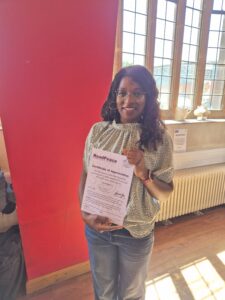
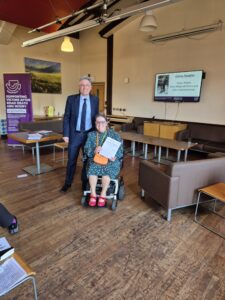
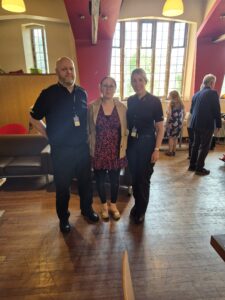
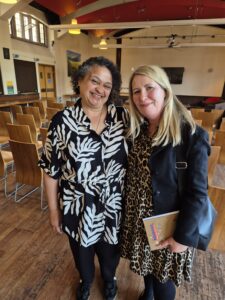
In West Mercia, RoadPeace work in partnership with the police to hold an annual learning day, the most recent with a focus on road death investigation. And, earlier this year, RoadPeace were able to work together with West Midlands Police, to help facilitate an opportunity for members of the RoadPeace West Midlands Group to come together with FLOs, roads policing, senior officers and the Police and Crime Commissioner (PCC). The thanks for this happening must go to Detective Inspector Sam Lewis and Detective Sergeant Adam Alcock.
During the day presentations were given, including an insight into ‘the Roles and Responsibilities of a Forensic Collision Investigator’ and ‘the Impact of Investigative Decisions’. This gave group members the opportunity to ask questions, and better understand the work the police must do following a fatal or serious collision. Interspersed with the police inputs, five group members bravely spoke about the top three things they felt were done well following the shock of their loved one’s death, and the top three things they would like to see improved. These contributions were eye-opening and useful – and RoadPeace would like to thank Angie Collard (speaking in memory of her son, Adam), Elaine Gordon (speaking in memory of her sister, Gina), Jane Evans (speaking in memory of her husband, Dave), Mandy Gayle (speaking in memory of her father, Hopton) and Natty Cash (speaking in memory of her step-dad, Baz).
Actions in the Immediate Aftermath
Police actions in the immediate aftermath of a collision came through as a theme in all of the family member inputs. While the families gathered acknowledged how difficult a job it is to inform someone their loved one has been killed – it was clear that FLOs who carry this out with compassion and sensitivity are remembered forever. Jane shared that having learnt of her husband’s death she was concerned as to how she could inform her daughter, who was away at university. The police drove Jane to the university – helping her through this unbelievably difficult task. In contrast, Natty shared that after her stepfather was killed, her mother had arrived at the crash scene, and been locked in a police car. While this may have been to keep Natty’s mum safe, and to prevent her from seeing the aftermath of the crash, the reasons were not explained to her in a calm manner, and she became even more upset. While Angie explained that on arriving at the hospital, she almost felt like she was under guard – and wished that somebody had offered a cup of sweet tea, as she was in shock and shaking.
Timelines and Expectation Management
Inspector Gurvinder Khosa talked through the role of a Forensic Collision Investigator (FCI) – explaining that while sometimes the cause of a collision may appear obvious, an FCI must be able to prove this. During his presentation, Gurvinder explained the many hurdles that an FCI can encounter – and that a lack of updates from the police can sometimes be because of the wait for things like reconstruction, analysing CCTV or toxicology. Adding to this, Detective Sergeant Paul Hughes talked through the impact of decisions regarding post-mortems, and charging. Paul explained how difficult it can be to convey to a family why something may be classed as ‘careless’ rather than ‘dangerous’. Elaine told those gathered that her FLO had been clear from ‘day one’ that things would not necessarily move quickly, and the she always explained what the next step would be – helping the family to better understand the highly overwhelming criminal justice system. There was a sense that families need to be told more about how complex road death investigation can be. During the investigation families shared they had at times felt left in the dark – and only once the collision file could be shared did they appreciate the amount of work that had been undertaken.
Communication is Key
Mandy explained that in the wake of her father’s death she had so many questions – but struggled to articulate them verbally, she had to write them in emails. At times, she sensed that her FLO was losing patience with this – so instead she turned to RoadPeace, who never judged and understood that the trauma caused meant information needed to be repeated. However, several years later, Mandy had been able to meet with a different officer, because she still had some questions. This officer had visited Mandy at home and gone through each of her questions with her, making a huge difference to her understanding and the way in which she felt she had been treated. All of the family members that spoke acknowledged that the police cannot fix what they are feeling – but that patience and empathy made them feel much more comfortable and able to raise any concerns.
Inquests
Jane shared that very little information had been given to her about the inquest. RoadPeace has heard from a number of families that perhaps everything is more focussed on the criminal rather than coronial justice system. While the vast majority of road deaths will go to inquest rather than criminal court, the RoadPeace Inquest Guide has not been updated for several years. Ensuring that all processes are clearly explained is vital – most of those bereaved through a crash have never attended any court, and they need to be better prepared on what to expect.
Highlighting the work being done to tackle Road Harm
Some of the bereaved family members present at the learning day felt frustrated with the continued death toll, and wondered what was being done to tackle this. During the afternoon session, Ade Brown, from West Midlands Police’s Road Harm team gave a presentation on his role. Ade ran through the range of work he does – and those gathered were impressed and comforted by this. It became clear that many would like to know more, and so an action was taken to share some sort of newsletter with the West Midlands Group.
Moving Forward
Overall, the day highlighted the need for all those involved in the aftermath of a crash to further work together. While the ultimate goal must always be prevention and vision zero, improving the outcomes for those who are bereaved or injured was a shared and unifying ambition. Through a mix of police expertise and victims’ voices changes have been made since the day was held – and work to look at information on inquests, delivering the ‘door-knock’ to families and more effective signposting to support is underway.